The historical evolution of casinos tracing the journey from ancient games to modern entertainment
The Origins of Gambling: Ancient Civilizations
The concept of gambling can be traced back to ancient civilizations, where games of chance formed an integral part of social and cultural life. Evidence from archaeological sites indicates that as early as 3000 BCE, the Chinese were using tiles to play a rudimentary game of chance. Meanwhile, ancient Egyptians played board games involving betting, hinting at the early roots of gambling in society. These early forms of gaming were not merely for entertainment; they often held religious significance and were tied to rituals and community gatherings. If you’re looking to experience modern gaming, the Lolajack casino offers an exciting platform.
In the ancient Roman Empire, dice games were prevalent, and betting was a favored pastime among soldiers and citizens alike. Romans introduced various forms of entertainment that included gambling, such as chariot races and gladiatorial contests, where spectators would wager on the outcomes. The Roman inclination towards games of chance laid the groundwork for the concept of the casino, as these activities started to develop into organized events where betting was commonplace.
As trade routes expanded, the exchange of gambling practices among cultures became evident. The introduction of the game of backgammon in Persia and the later spread of card games from India through the Middle East to Europe marked significant developments in the evolution of gambling. These interactions not only diversified the types of games played but also contributed to the social acceptance of gambling as a form of entertainment across different societies.
The Middle Ages: Emergence of Gambling Halls
The medieval period saw the rise of gambling halls, especially in European countries. The transition from informal betting among friends to structured gambling facilities marked a crucial evolution in the casino landscape. By the 16th century, public gaming houses became popular, particularly in Italy. Venice and Florence emerged as hubs where people gathered to play games like faro and poker, effectively setting the stage for more organized gambling environments.
In France, the establishment of the first official casinos in the early 18th century further catalyzed the evolution of gambling as an entertainment form. The famous Casino de Spa in Belgium opened its doors, offering a variety of games and becoming a model for future casinos. This period also witnessed the creation of iconic games such as roulette, which remain popular in modern casinos, showcasing how historical innovations continue to influence current gaming experiences.
The rise of gambling during the Middle Ages was not without controversy. Governments often viewed these establishments with suspicion, leading to regulations aimed at controlling the growing industry. Despite this, gambling persisted, and by the late 19th century, casinos had spread across Europe and into the Americas, solidifying their place in entertainment culture. This period marked a pivotal point as more sophisticated structures emerged, providing luxury experiences to patrons.
The 19th century is often referred to as the Golden Age of Casinos, as gambling establishments flourished in places like Monte Carlo and Las Vegas. The introduction of the modern casino in these locales featured elaborate designs and luxurious amenities, attracting high-profile clientele from around the world. The establishment of the Casino de Monte-Carlo in 1863 not only set a precedent for luxury gaming but also became a cultural symbol, drawing in visitors eager to partake in high-stakes games.
During this era, the gaming experience transformed significantly. Casinos began offering a broader variety of games, including baccarat and blackjack, and refined the betting systems to make them more appealing. The allure of these establishments was not just about gaming; they provided a comprehensive entertainment experience, including dining, dancing, and socializing, thus becoming integral to high society culture.
Furthermore, the 19th century saw advancements in technology that would influence casinos profoundly. The introduction of mechanical slot machines in the late 1800s represented a revolutionary change, as these machines allowed players to gamble without the need for a dealer or extensive knowledge of card games. This innovation made gambling accessible to a broader audience, laying the groundwork for the modern gaming industry we know today.
The 20th Century: Regulation and Technological Transformation
The 20th century heralded significant changes in the landscape of casinos, primarily driven by regulation and technological advancements. The legalization of gambling in Nevada in 1931 marked a watershed moment, as Las Vegas quickly transformed into the gambling capital of the world. The legalization allowed casinos to flourish under government oversight, leading to the establishment of renowned properties like the Sands and the Flamingo, which became synonymous with the glamorous casino lifestyle.
As the century progressed, technology began to revolutionize the casino experience. The introduction of electronic gaming machines and video poker brought forth a new era of gaming, appealing to a younger demographic. These innovations allowed for faster gameplay and the potential for larger payouts, leading to an exponential growth in casino revenues. In addition, advancements in surveillance and security became paramount, ensuring a safe environment for patrons and protecting the integrity of games.
The closing decades of the 20th century also saw the rise of online gambling. The internet enabled casinos to reach a global audience, offering an unprecedented level of convenience and variety. The launch of online poker rooms and virtual casinos opened up a new frontier for gamblers, leading to a surge in participation and the development of regulatory frameworks to govern this burgeoning industry. As the digital age took hold, the distinction between physical and online casinos began to blur, setting the stage for the future of gaming.
Modern Casinos: The New Era of Gaming
Today’s casinos reflect a blend of tradition and innovation, catering to diverse audiences with a range of gaming options. Modern establishments feature not only classic table games and slot machines but also immersive experiences such as live dealer games that replicate the in-person casino atmosphere online. The integration of mobile technology allows players to enjoy gaming on the go, enabling them to engage with their favorite games from anywhere in the world.
The contemporary casino landscape is characterized by a focus on customer experience. Many modern casinos offer luxury accommodations, world-class dining, and entertainment options, creating a comprehensive resort experience. Events like concerts, shows, and festivals are common, attracting both gamblers and non-gamblers alike. This shift reflects a broader understanding of entertainment as a multi-faceted experience, appealing to a wider demographic.
Furthermore, responsible gaming initiatives have gained prominence as casinos strive to create a safe environment for players. Many establishments implement measures to promote responsible gambling practices, including self-exclusion programs and educational resources. As the industry continues to evolve, the emphasis on safety and player welfare remains a priority, ensuring that the excitement of gaming does not come at the cost of individual well-being.
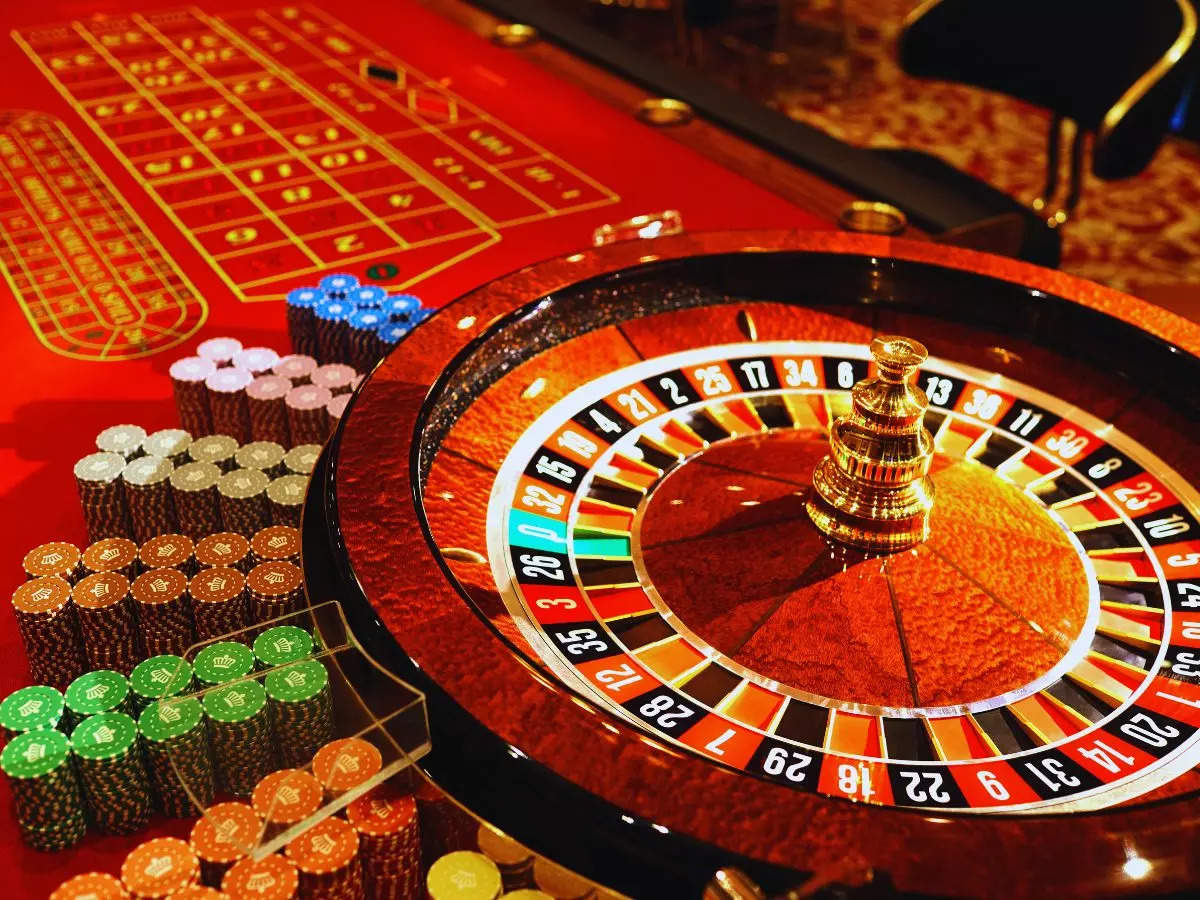
Exploring Online Gaming with LolaJack Casino
LolaJack Casino stands at the forefront of the modern gaming revolution, offering an innovative online platform tailored for players. With over 4,000 exciting casino games from top providers, players can explore a diverse range of options, ensuring that there is something for everyone. The casino prioritizes user experience and security, employing SSL encryption and a full KYC process to guarantee a safe gaming environment.
Newly registered users can take advantage of a generous Welcome Package that features a 400% bonus up to $15,000 and 400 free spins, allowing them to dive into the vibrant gaming lobby without hesitation. The user-friendly interface and extensive game selection provide an engaging experience for both new and experienced players, making it easy to navigate through various gaming categories.
With 24/7 customer support and a variety of payment options, including cryptocurrencies, LolaJack Casino ensures seamless deposits and withdrawals. As the online gaming landscape continues to evolve, LolaJack Casino remains committed to providing a secure and enjoyable experience for players, embodying the spirit of modern entertainment that casinos have come to represent.
“`
